
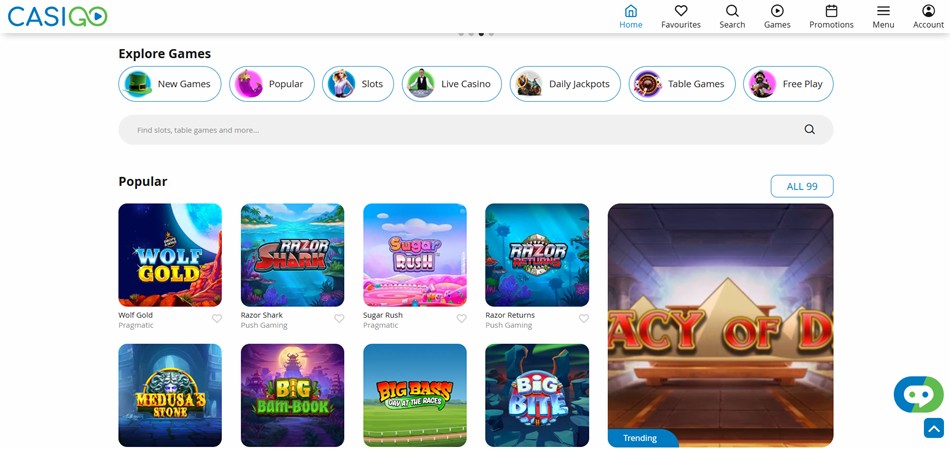
Casinos with Anonymous Registration: A New Era in Online Gaming
In today’s digital landscape, privacy and security have become paramount concerns for many online users, particularly in the world of online gaming. The rise of casinos with anonymous registration has garnered significant attention, as they offer players the opportunity to gamble without the burdens of extensive personal information disclosure. This article will delve into the nuances of anonymous registration in online casinos, exploring its benefits, potential drawbacks, and the overall impact it has on the gambling industry. For more insights into gaming opportunities, check out casinos with anonymous registration https://ultimatumgames.uk/.
The Concept of Anonymous Registration
Anonymous registration allows users to create accounts without revealing their personal identity, such as name, address, or even payment details. This type of registration is often facilitated through cryptocurrencies or prepaid cards, which further enhance privacy. Such a model stands in stark contrast to traditional casino operations, requiring detailed verification processes to prevent fraud and comply with regulations.
Advantages of Anonymous Registration
1. Enhanced Privacy and Security
One of the primary advantages of casinos with anonymous registration is the level of privacy they provide. Players can enjoy their gaming experience without the fear of their personal information being compromised. Given the prevalence of data breaches and identity theft, this aspect is immensely appealing. In addition, anonymous casinos often utilize encryption technologies that protect user data during transactions.
2. Fewer Restrictions
Players in jurisdictions with strict gambling laws may find it challenging to access online casinos. However, with anonymous registration options, these restrictions can be circumvented, allowing more players to engage in gambling without the usual limitations imposed by regulations. This can lead to a more diverse player base.

3. Greater Control Over Personal Data
The growing concern for personal data security has made many users hesitant to share their information online. Anonymous casinos empower players by allowing them greater control over what information is shared, reducing the risk of misuse. Players can focus on the gaming experience rather than worrying about their data footprint.
Challenges Associated with Anonymous Registration
1. Legal and Regulatory Hurdles
While anonymous registration can be appealing, it does pose legal challenges. Many jurisdictions require online casinos to verify the identity of their players, primarily as a safeguard against money laundering and other illicit activities. This has led to a complex relationship between anonymity and compliance, making it vital for casinos to navigate these waters carefully.
2. Risk of Fraud and Scams
The lack of stringent identity checks can open the door for fraudulent activities, including scams where players can create multiple accounts to exploit bonuses or payment processes. This can lead to increased operational costs for casinos as they attempt to mitigate these risks, ultimately affecting the overall gaming environment.
3. Limited Payment Options
Many anonymous casinos operate primarily on cryptocurrencies, which may not be accessible to everyone. Players accustomed to traditional payment methods like credit cards or bank transfers might find it limiting to rely solely on anonymous options. This can reduce the customer base and limit the casino’s growth potential.
The Evolution of Online Casinos
As technology continues to advance, the landscape of online casinos evolves in tandem. Innovations such as blockchain technology and volatile cryptocurrencies ensure that anonymity remains a key component of the gaming experience. Moreover, virtual reality (VR) and augmented reality (AR) are set to revolutionize how players engage with online casinos, potentially blending the realms of anonymity with immersive experiences.
Conclusion
Casinos with anonymous registration represent a fascinating development in the landscape of online gambling. By prioritizing privacy and user autonomy, they provide an attractive alternative for players seeking a more secure and unrestricted experience. However, as with any innovation, challenges persist, particularly concerning regulation and potential misuse. The future of online gaming will likely see a balance between player anonymity and the necessity for compliance, striking a chord that resonates well with the ever-evolving needs of players. As the industry continues to navigate these complexities, the importance of responsible gaming practices and transparency will remain paramount.