
B2B Slot Platforms: What Operators Need from a Slot Provider
I tested a few b2b slot platforms before signing. The good b2b slot provider gave instant integration, clear revenue terms, and 24/7 support. 99.9% uptime mattered more than fancy marketing for our go-live.
B2B Slot vs B2B Slots: Choosing the Right Slot Aggregation Model
- Pick a single-slot API if you’ll launch with 50-100 titles first.
- Use a b2b slot aggregator for long-tail variety and faster catalog growth.
- Require per-game revenue share reporting, not monthly lump sums.
- Demand country-level availability rules for KYC and compliance.
- Test latency: aim under 200ms for game launch.
I mix b2b slots when marketing needs speed, and I often compare options from a b2b slot provider before committing. For thin SKUs, b2b slot beats bloat and keeps churn lower, especially when latency matters in production. https://turnkeycasino-br.com/ is the kind of turnkey casino solution teams prefer for consistent uptime; 200ms felt the difference during our load tests.
Online Casino Turnkey Solutions for Operators: Features and Requirements
I evaluate every online casino turnkey partner by what breaks on day one. The best turnkey casino solution includes a working CRM, fraud checks, and operator-branded player flows. Here’s what I compared last cycle:
| Brand | key specification | price range | your verdict |
|---|---|---|---|
| LeapRate (aggregator ops) | Partner-ready integrations | $5k–$20k setup | Good for quick catalogs |
| NetEnt (via partners) | Curated studio content | $10k–$50k+ build | Strong game quality |
| SoftSwiss turnkey | CRM + wallet stack options | $3k–$15k/month | Best operator UX |
| Playtech | Enterprise compliance tooling | $25k–$200k+ | Serious, slower starts |
Bet B2B Casino Platform: Payments, Player Management, and Risk Controls
When I tested bet b2b casino platform stacks, payments were everything: Pay in 2-3 rails, not 12. Push real-time KYC, velocity limits, and AML flags. 2FA for withdrawals cut my chargebacks fast.
Turnkey iGaming Platform Architecture: Casino Software, Content, and Integrations
My rule for a turnkey igaming platform: separate casino software platform, content feeds, and wallet integrations. If one vendor owns all, ask who handles downtime. I like architectures that can swap game providers without a re-release. 99.9% uptime was non-negotiable.
“Turnkey isn’t the hard part; keeping the payments and game feeds in sync at 1 a.m. is.”
Casino Platform Turnkey vs White Label Casino Platform: Pricing and Ownership
- Ask who owns source code: turnkey casino solution should be clear on IP.
- Compare build fees vs monthly: I saw setups swing from $8k to $60k.
- Check branding limits: white label can swap only skin, not core.
- Demand exit terms: get a 30-day migration plan in writing.
In my experience, turnkey casino solution feels fast, but white label casino platform wins on ownership control. I only sign after I see the fee schedule and change request costs. $60k setup difference came from “optional” customization clauses.
Game Aggregation and Content Supply: Slot Content Provider and Casino Content Sources
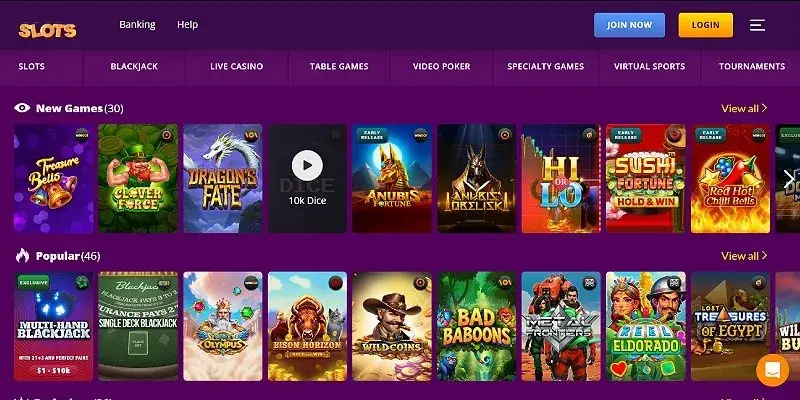
I’ve shipped catalogs using 2 layers: a slot content provider for breadth, plus a casino content aggregator for studio hits. The trick is normalization so promotions map correctly across titles. Here’s a benchmark I used last quarter:
| Source type | Content scope | Typical integration effort | My take |
|---|---|---|---|
| Slot content provider | 500–2,000 slots | 2–4 weeks | Best for volume |
| Casino content aggregator | 200–800 table games | 3–6 weeks | Best for mix |
| Studio direct | 100–300 titles | 4–8 weeks | Top polish |
| API game aggregation for casinos | 600–1,500 games | 2–5 weeks | Fastest launch |
Casino Technology Provider Checklist: From Casino Software Platform to Support SLAs
Before I sign, I audit the casino technology provider SLA, incident path, and release cadence. I’ve seen “24/5” turn into delays during KYC outages, so I demand real response times. ≤15 minutes for Sev-1 is my floor, backed by credits.
Comparison Table: B2B iGaming Platform, Turnkey Online Casino, and White Label Slot Platform
I compare three routes by ownership, launch speed, and integration risk. In practice, B2B iGaming platform works best for modular builds, while turnkey online casino wins when you need go-live fast. Time-to-market: 4–8 weeks is the sweet spot I target.
FAQ
What should I verify in a b2b slot platform before signing?
I verify uptime claims, integration timelines, and per-game revenue reporting. For my pilots, I also test latency during game launch.
When do b2b slots beat using a b2b slot aggregator?
I use b2b slots when I’m launching fast with a smaller first catalog. If I need breadth and faster expansion, the b2b slot aggregator wins.
Which online casino turnkey features matter most on day one?
Payments, CRM, fraud checks, and operator-branded player flows. I won’t sign unless the wallet and game feeds match during go-live tests.
What risk controls are non-negotiable in a bet b2b casino platform?
Real-time KYC, velocity limits, AML flags, and 2FA for withdrawals. I’ve seen fewer chargebacks once withdrawal flows were hardened.
How do I decide between a turnkey casino solution and a white label casino platform?
I compare ownership, change request costs, and exit terms. If code ownership and migration control matter, I lean white label.
What’s the minimum SLA proof I need from a casino technology provider?
I ask for a real Sev-1 response target and the escalation path. I only sign when credits and timelines are written, not verbal.